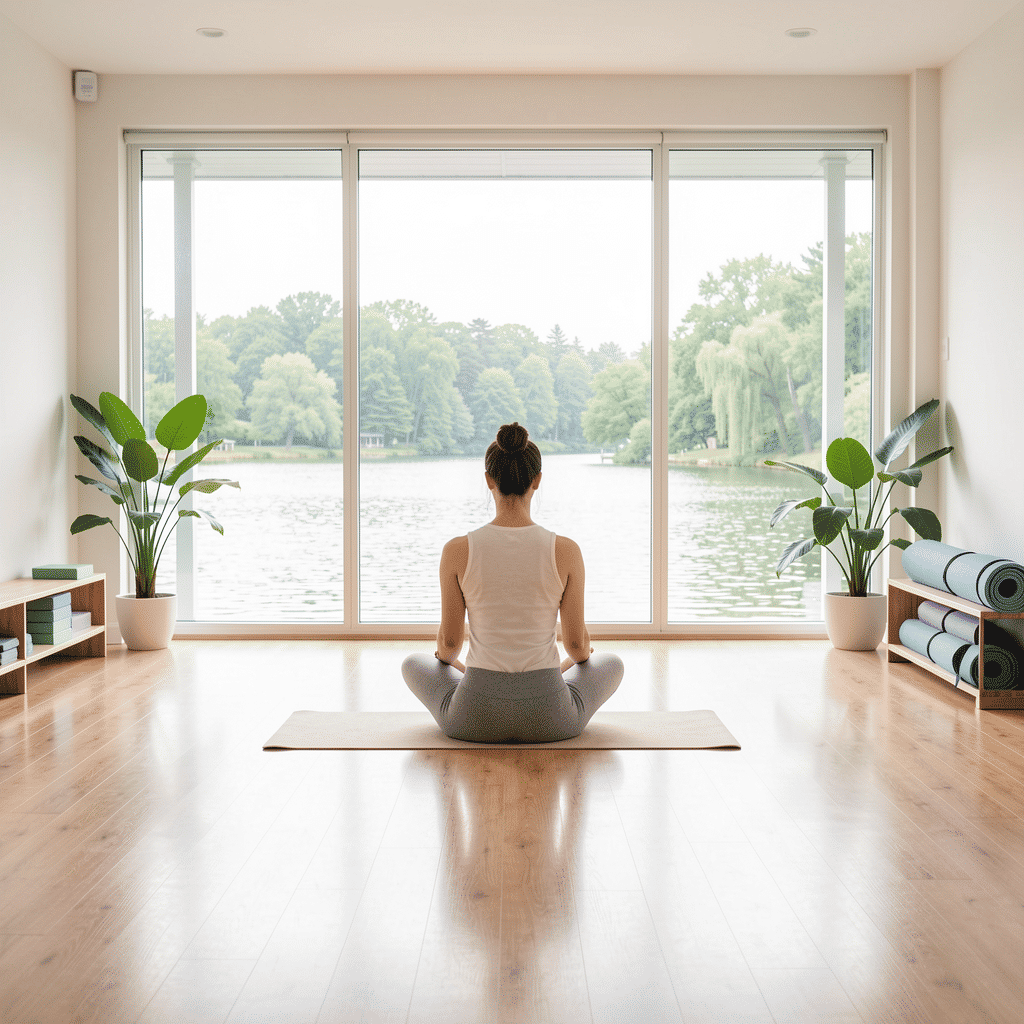
In today's fast-paced world, stress has become an almost inevitable part of daily life. From the pressures of work and family responsibilities to navigating social commitments and personal aspirations, it's easy to feel overwhelmed. However, managing stress is crucial not only for mental well-being but for overall health. Incorporating stress-relief techniques into your daily routine can lead to a more balanced and relaxed life. Below are some practical strategies to help you find tranquility amidst the chaos.
Mindful Breathing
The simplest yet most effective technique for reducing stress is mindful breathing. By focusing on your breath, you can bring your mind into the present moment, helping to mitigate the effects of stress. Set aside a few minutes each day to practice deep breathing. Inhale slowly through your nose, hold for a few seconds, and exhale through your mouth. Doing this reduces the heart rate and calms the nervous system, making it a quick tool for easing tension.
Regular Exercise
Exercise is not only beneficial for physical health but also for mental health. Engaging in physical activities releases endorphins, the body's natural mood elevators. Whether it's a brisk walk, a dance class, or a workout session at the gym, moving your body can help alleviate stress. Aim for at least 30 minutes of exercise most days of the week to reap its stress-relieving benefits.
Journaling
Writing down your thoughts can be a powerful way to process emotions and identify stressors. Set aside time each day to jot down your feelings, experiences, and any stress triggers you notice. Journaling can offer clarity and a new perspective on problems, helping you develop strategies to cope. It’s also an excellent way to track patterns and progress in your stress management journey.
Meditation and Mindfulness
Meditation is a transformative practice that promotes relaxation and emotional health. By dedicating a few minutes each day to meditation, you can train your mind to focus, reduce negative emotions, and foster a sense of inner peace. Mindfulness, which involves being fully present and engaged in the moment, can also improve your reaction to stressful events, making you more resilient.
Healthy Diet
What we consume significantly impacts our stress levels. A balanced diet, rich in fruits, vegetables, lean proteins, and whole grains, supports the body in managing stress. Avoid excessive caffeine and sugar, as they can increase anxiety and agitation. Instead, opt for stress-busting foods like nuts, dark chocolate, and herbal teas to help maintain energy levels and stabilize mood.
Time Management
Often, stress arises from feeling unable to manage time effectively. Creating a daily schedule or to-do list can help prioritize tasks and prevent overwhelming feelings. By breaking tasks into smaller, manageable steps, you can better allocate time and reduce procrastination. Remember to include breaks and downtime in your schedule to ensure you recharge throughout the day.
Social Connection
Human beings are inherently social creatures, and maintaining strong relationships is key to mental well-being. Engage with friends, family, or support groups to share your experiences and get support. Sometimes, just talking about what’s stressing you out can lighten the load and provide valuable insights or solutions you might not have considered.
Nature Exposure
Spending time outdoors and connecting with nature has been shown to lower stress levels and increase feelings of well-being. Take a walk in a park, hike a nature trail, or simply sit and enjoy a garden. Nature exposure can be a healing experience, fostering relaxation and grounding in the present moment.
Professional Help
If stress becomes overwhelming and starts to interfere with daily life, it may be beneficial to seek guidance from a professional. Therapists and counselors can provide support and introduce personalized strategies for stress management. There’s no shame in acknowledging when help is needed and reaching out for it.
Incorporating these stress-relief techniques into your daily routine doesn't require drastic changes. Small, consistent efforts can have a profound impact over time. By prioritizing self-care and employing these strategies, you move closer to achieving a more balanced and relaxed life.